In the dynamic world of video games, few topics spark as much debate and drive as many purchasing decisions as Game Compatibility & Exclusive Titles. Choosing a gaming platform isn't just about picking a console or building a PC; it's about investing in an ecosystem, unlocking a specific library of experiences, and deciding who you'll play with—or what you'll miss out on entirely. For newcomers and seasoned players alike, understanding these intertwined concepts is fundamental to making informed choices and maximizing your gaming pleasure.
Think of it like this: every major gaming platform is a vibrant city with its own unique culture, transportation systems, and, crucially, a set of iconic landmarks you can only see by visiting that city. Some games are like globally recognized tourist attractions, available in many cities, while others are hidden gems, accessible only to those who hold the local passport.
At a Glance: Your Guide to Game Compatibility & Exclusives
- Platform Choice is Ecosystem Choice: Your console or PC dictates your accessible game library and potential social circle.
- Compatibility Isn't Just About Hardware: It includes cross-platform play, backward compatibility, and digital rights.
- Exclusives Define Brand Identity: These unique titles are powerful motivators for choosing one platform over another.
- "Exclusive" Has Nuances: Distinguish between true console exclusives, timed exclusives (which may expire), and those available on PC but not rival consoles.
- Access Matters: Game Pass, PlayStation Plus, Steam, and physical copies each offer distinct ways to build your library.
- Cross-Play is Growing: Many popular titles let you play with friends on different devices, but it's not universal.
- Strategic Buying: Leverage sales, subscriptions, and even physical collecting to optimize your game acquisition.
The Heart of the Matter: Why Compatibility and Exclusives Rule Your Gaming Universe
At its core, gaming is about experiences. Whether you're soaring through fantasy realms, engaging in high-octane firefights, or solving intricate puzzles, the games you play are paramount. But the path to those experiences is paved by platform compatibility and the allure of exclusive titles. These aren't just technical specifications or marketing buzzwords; they are the gatekeepers of your digital adventures, influencing everything from the games you can buy to the friends you can play with and even the future value of your collection.
Imagine discovering a critically acclaimed game, only to find it's not available on your chosen system. Or, perhaps you're keen to jump into an online match with friends, only to learn that despite playing the same game, your platforms aren't compatible. These are the practical realities shaped by compatibility rules and exclusive deals—realities that can lead to frustration or, with the right knowledge, empower you to navigate the gaming landscape with confidence.
Understanding "Compatibility": More Than Just Fitting a Disc
When we talk about compatibility in gaming, it extends far beyond whether a physical disc slots into your console. It encompasses a complex web of technologies, business decisions, and historical legacies that dictate what runs where, and with whom.
The Shifting Sands of Cross-Platform Play
Once a distant dream, cross-platform play (or cross-play) has become a much-loved reality for many gamers. This feature allows players on different devices—say, a PlayStation and an Xbox, or a PC and a Nintendo Switch—to play together in the same online match. Titles like Fortnite, Call of Duty: Warzone, and Minecraft have popularized this, fostering larger, more vibrant player communities. Many indie games, such as Hollow Knight and Celeste, are also increasingly embracing cross-platform compatibility, ensuring broader reach and player satisfaction.
However, cross-play isn't universal. Technical challenges, competitive business strategies, and even differing platform features can lead to restrictions. Some games might allow cross-play between PC and console, but not between different consoles. Always check a game's specifications before assuming you can join friends on a different system. The ability to connect with your online gaming community can significantly enhance your experience.
Backward Compatibility: A Bridge to the Past
Backward compatibility is a major perk, allowing newer consoles to play games released for older generations of the same system. This means your cherished Xbox 360 library isn't instantly obsolete when you upgrade to an Xbox Series X, or your PlayStation 4 titles still work on a PlayStation 5.
Microsoft has made backward compatibility a cornerstone of its Xbox strategy. A significant 60% of original Xbox and Xbox 360 games run seamlessly via backward compatibility on Xbox One and Series X/S consoles. For the remaining 40% that don't, you might need the original hardware—a consideration for collectors or those holding onto specific titles. This feature allows players to revisit classics like Halo CE and Forza Horizon 5, ensuring that the brand's identity and history remain accessible.
Hardware and Software: The Essential Tandem
For PC gamers, compatibility directly translates to hardware requirements. A game demands specific CPU, GPU, and RAM specifications for optimal performance. Trying to run a graphically intensive new release on an outdated machine will likely result in a frustrating, choppy experience, if it runs at all. Always review the system requirements listed on game packaging or official store pages. If you're building or upgrading your rig, our PC gaming hardware guide can offer valuable insights.
Console gamers generally face fewer immediate hardware compatibility worries for games designed for their specific system. However, even consoles have generations, and a game designed for an Xbox One might see performance enhancements (like the 120 fps Warzone mode in Halo 5: Guardians) on an Xbox Series X. The underlying game engine compatibility also plays a role in how smoothly games run across different systems, influencing everything from graphics to physics simulations.
Digital Rights Management (DRM) & Region Locking: What You Need to Know
Beyond the hardware, software compatibility issues can arise from DRM and region locking.
- Digital Rights Management (DRM): This technology prevents unauthorized copying and distribution of digital content. While intended to protect creators, it can sometimes affect legitimate players, requiring online verification or limiting game installations. Different platforms and digital storefronts (Steam, Epic Games Store, GOG) have varying DRM policies, which can subtly impact your ownership experience.
- Region Locking: This prevents games purchased in one geographical area from working on consoles from another, usually due to licensing agreements. While less common for modern digital purchases and current-generation consoles (many of which are region-free), it's still a factor for older physical titles or specific digital storefronts. Always verify that a game and your console's region match, or seek out region-free titles to avoid disappointment.
The Lure of the Exclusive: Why Platforms Fight for Your Loyalty
Exclusives are the crown jewels of any gaming platform. These are the games you can't play anywhere else (at least for a defined period), and they serve as powerful incentives for gamers to choose one console over another. They define a brand's identity and culture, creating a unique selling proposition in a competitive market.
Defining Exclusivity: Console, Timed, and "True" Exclusives
The term "exclusive" can be a bit slippery:
- Console Exclusive: This is the most common use today. It means a game is available on one console family (e.g., Xbox) and potentially PC, but not on a rival console (e.g., PlayStation or Switch). Microsoft, for instance, defines its console exclusives as titles without PlayStation or Switch versions.
- Timed Exclusive: A game launched exclusively on one platform for a set period, after which it becomes available on others. Mass Effect and BioShock, once synonymous with the Xbox 360, are no longer considered exclusive as of 2025 due to expired timed deals.
- "True" Exclusive (or First-Party Exclusive): Developed and published by the platform holder itself, or a studio it owns, these games are typically tied to that platform indefinitely. Examples include Nintendo's Mario or Zelda series, or PlayStation's Spider-Man titles.
PlayStation's Hall of Fame
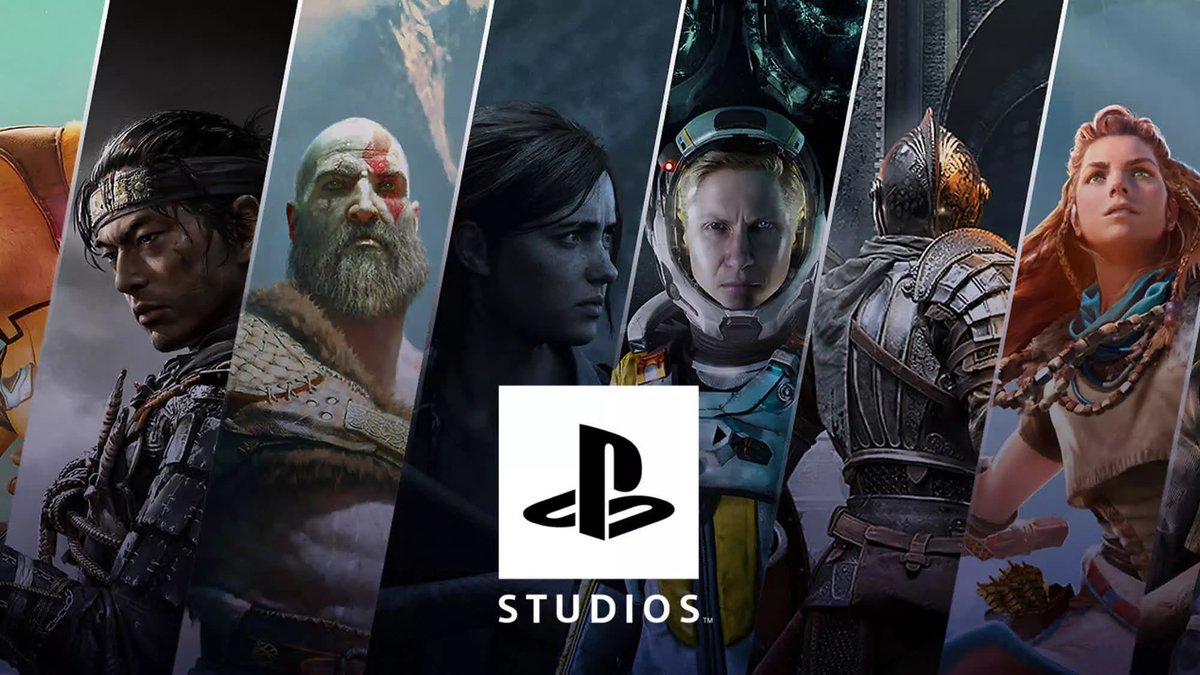
Sony's PlayStation has long championed compelling single-player, narrative-driven experiences as its exclusives. Titles like The Last of Us Part II are quintessential PlayStation experiences, lauded for their storytelling, graphics, and emotional depth. These first-party blockbusters are often a primary driver for choosing a PlayStation console, especially for players who prioritize cinematic, story-rich adventures.
Xbox's Defining Exclusives: A Legacy and a Future
Xbox has a rich history of defining exclusives, from its early days to its robust future lineup.
- The Original Era: The original Xbox launched with 19 titles, 10 of which held permanent exclusivity. A notable example is Breakdown, an unported Capcom title that makes sealed copies valuable for collectors, appreciating approximately 12% per year.
- The Xbox 360 Generation: This era brought us memorable exclusives like the JRPG Lost Odyssey, whose SteelBook editions now fetch around $120 on eBay. While some high-profile titles like Mass Effect and BioShock were once timed exclusives, their deals have expired, making them accessible elsewhere today.
- Xbox One's Enduring Gems: Even as of 2025, several Xbox One console exclusives—available on PC but not rival consoles—remain highly recommended. These include the vibrant open-world action of Sunset Overdrive (2014), the stunning racing of Forza Horizon 3 (2016), the critically acclaimed platformer Ori and the Blind Forest (2015), the ambitious narrative shooter Quantum Break (2016), and the enduring multiplayer of Halo 5: Guardians (2015), which still maintains a hectic Warzone mode at 120 fps on newer hardware.
- The Series X/S Horizon: The future of Xbox exclusives looks bright with upcoming titles like the highly anticipated Perfect Dark, the expansive Fable reboot, and the intriguing Clockwork Revolution. These titles continue to build on the brand's identity, which has been consistently defined by exclusives from Halo CE to Forza Horizon 5.
Building Your Xbox Exclusive Library:
To immerse yourself in the Xbox exclusive ecosystem, several strategies prove effective: - Xbox Game Pass Ultimate: This subscription service offers day-one access to new Xbox exclusives, along with a vast, rotating library of other titles. It's often the most cost-effective way to experience the latest first-party games.
- Microsoft Store Sales: Keep an eye out for these, as classic exclusives are often discounted, sometimes as low as $2.49.
- Physical Hunts: For collectors, seeking out sealed original Xbox exclusives can be a rewarding endeavor, given their appreciation in value.
It's also important to note that while many Xbox console exclusives eventually come to PC, some experiences remain uniquely tied to the console. Examples of current Xbox-only experiences (distinct from PC availability) include the competitive Halo Infinite Arena, the intense Gears 5 PvP, and the rhythm-action charm of Hi-Fi RUSH.
Nintendo's Unique Charm
Nintendo carved its niche with a distinct approach: hybrid console design (Switch allows both handheld and docked play) and an unparalleled lineup of first-party family-friendly titles. Games featuring Mario, Zelda, and Pokémon are often true exclusives, developed in-house and rarely, if ever, appearing on other platforms. This strong emphasis on unique gameplay mechanics and beloved characters drives many to the Nintendo ecosystem. Nintendo Switch Online also offers cloud saves and access to a growing library of classic NES and SNES games.
PC's "Open" Exclusives (and the ones that aren't)
PC offers the broadest access to games through platforms like Steam, the Epic Games Store, and GOG. While PC technically has very few "true" exclusives (most major titles eventually come to PC, often as console exclusives transition), it's home to entire genres that thrive primarily on the platform, such as complex strategy games, grand simulations, and a vast ecosystem of indie titles that often launch there first. Furthermore, PC benefits from the versatility of game development platforms that allow developers immense flexibility in crafting unique experiences.
Navigating the Ecosystem: Your Access Points to Games
Once you've aligned your gaming preferences with a platform, how do you actually get the games? The methods of access have diversified considerably.
Digital Storefronts vs. Physical Copies
- Digital Storefronts: Services like Steam, the PlayStation Store, and the Microsoft Store allow for direct purchase and download. Benefits include convenience, instant access, frequent sales, and user reviews. Digital purchases are typically tied to your account, offering peace of mind if your hardware fails. However, you don't physically "own" the game, and regional pricing can vary.
- Physical Copies: These are sold in retail stores or online. They appeal to collectors, offer tangible ownership, and used copies can often be cheaper. Physical games can be resold or lent to friends. Be aware, however, that even physical games often require significant installation, day-one patches, and updates, and they are still subject to platform exclusivity.
Subscription Services: The "Netflix of Gaming"
Subscription services have revolutionized game access, offering a rotating catalog of titles for a monthly fee.
- Xbox Game Pass: Microsoft's flagship service provides day-one access to all new Xbox first-party titles, plus a large library of third-party games. It's often touted for its significant savings and excellent value.
- PlayStation Plus: Sony's service offers online multiplayer, cloud saves, and a selection of free monthly games, alongside a growing library of classic and modern titles across different tiers.
- EA Play: This service, often included with higher tiers of Game Pass or available standalone, offers access to a library of Electronic Arts titles.
When considering a subscription, evaluate the catalog's depth, the frequency of new title additions, and any potential discounts or perks that align with your gaming habits.
Making Your Choice: A Framework for Gamers
Choosing your primary gaming platform is a personal decision, but a structured approach can help you make the right call. Consider these factors:
Assess Your Gaming Style
- Genre Preferences: Do you lean towards cinematic action-adventure (often PlayStation's strength), competitive shooters or expansive open worlds (Xbox, PC), or unique, family-friendly experiences (Nintendo)? PC excels in strategy, simulation, and modding communities.
- Single-Player vs. Multiplayer: While all platforms offer both, PC often boasts the widest and most diverse online multiplayer scenes, especially for niche titles. Consoles, particularly Nintendo, might excel in local co-op.
- Social Aspect: Do you want to game primarily with friends? If so, identify what platforms they use and research cross-platform play availability for your desired titles. Our guide on how to choose a gaming console delves deeper into these considerations.
Budget & Value
- Initial Hardware Cost: Consoles are typically a fixed price, while PC builds can range from budget-friendly to extremely high-end.
- Game Prices: New releases are often similar across platforms. However, subscription services, digital sales, and the used physical market can significantly alter the total cost of building a library over time.
- Subscription Ecosystem: Factor in the ongoing cost and value of services like Game Pass or PlayStation Plus.
Playing with Friends
This is a critical, often overlooked, factor. If your core gaming group is exclusively on one platform, and cross-play isn't an option for your favorite games, that heavily sways your decision. Many of the most popular titles, like Fortnite and Minecraft, do support cross-platform play, bridging the gap, but always check for specifics.
Common Compatibility Questions, Answered
Can I play PlayStation exclusives on Xbox, or vice versa?
Generally, no. The definition of a console exclusive means it's specifically tied to that console's ecosystem. While some games might be timed exclusives that eventually migrate to other platforms (including PC), you cannot play a game designed as a PlayStation exclusive directly on an Xbox console, or an Xbox exclusive on a PlayStation, due to fundamental differences in hardware architecture and licensing.
What about PC ports of console exclusives?
This is where the "console exclusive" definition comes into play. Many titles initially launched as Xbox console exclusives (meaning not on PlayStation or Switch) eventually make their way to PC. This trend is also increasingly true for PlayStation exclusives, though often after a longer period. Always check the game's official website or store pages for the latest platform availability.
How do I know if a game is region-locked?
For modern consoles and digital storefronts, region locking is far less prevalent than it once was, especially for newly released games. However, for older physical titles or specific niche games, it can still exist. The best way to check is to look at the game's packaging (if physical), its official product page online, or consult the support documentation for your specific console.
Looking Ahead: The Future of Compatibility and Exclusives
The gaming landscape is constantly evolving. We're seeing a clear trend towards more cross-platform functionality as technology advances and player demand for universal access grows. The rise of cloud gaming services like Xbox Cloud Gaming, GeForce Now, and PlayStation Plus Premium aims to decouple games from specific hardware, potentially allowing you to stream high-fidelity experiences on almost any device.
Furthermore, virtual reality gaming platforms are developing their own unique ecosystems and exclusives, adding another layer of complexity and excitement to the compatibility discussion. As developers utilize increasingly sophisticated game development platforms that support multi-platform deployment, the lines between "exclusive" and "compatible" may continue to blur, or perhaps simply redefine what exclusivity means.
Your Next Move in the Gaming World
Navigating game compatibility and exclusive titles might seem daunting, but with a clear understanding of your preferences and the landscape, you're well-equipped to make intelligent decisions. Start by considering which types of games truly excite you and where your friends are playing. From there, research the exclusive offerings and compatibility features of your preferred platforms. Whether you opt for the expansive library of PC, the narrative mastery of PlayStation, the accessible ecosystem of Xbox, or the family-friendly magic of Nintendo, knowing how to leverage each platform's strengths will ensure a rich and rewarding gaming journey. Go forth and play!