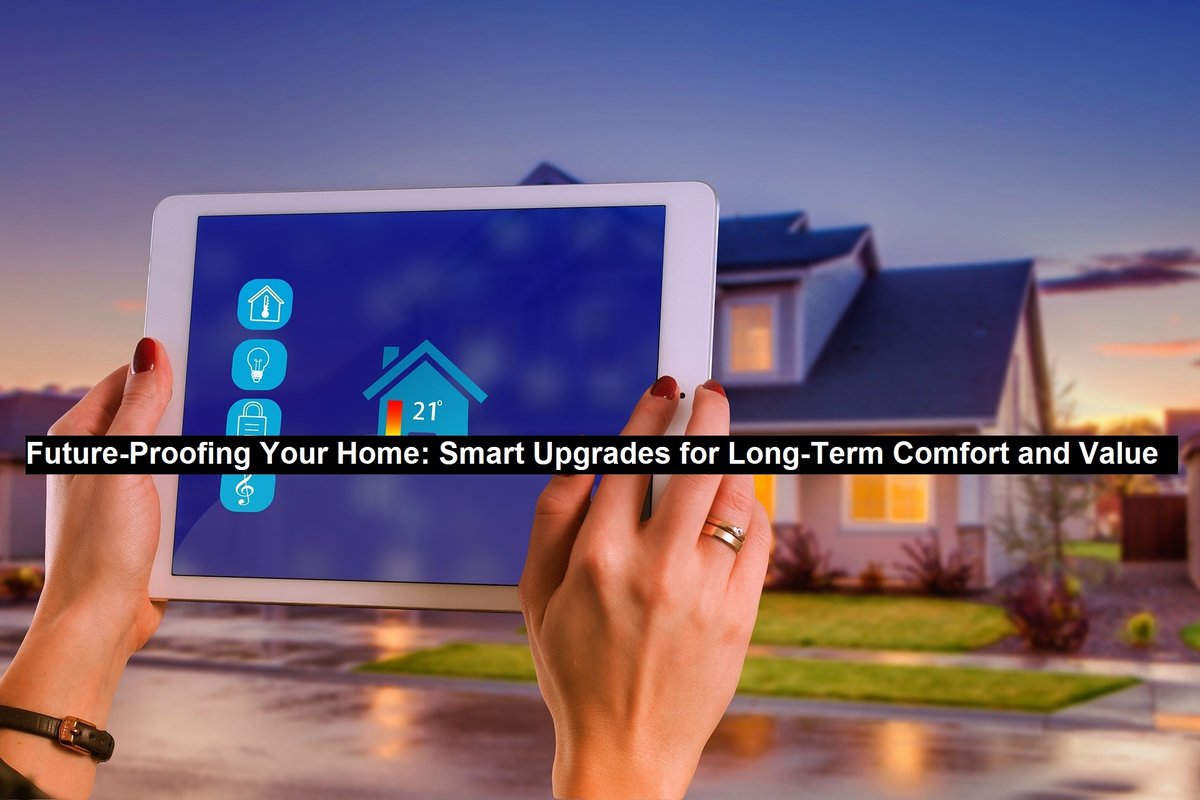
Building a home or commercial property is one of the most significant investments you'll ever make. But what if that investment could actually grow in value and utility over time, rather than slowly succumbing to obsolescence? That's the core promise of Long-Term Value & Future-Proofing in construction: making smart, forward-thinking choices today that ensure your property remains functional, efficient, desirable, and adaptable for decades to come. It’s about building with an eye on tomorrow's needs, technologies, and lifestyles, safeguarding your peace of mind and your bottom line.
Forget the idea of a fixed asset slowly depreciating. Imagine a dynamic space that can evolve with you, seamlessly integrating new tech, adapting to family changes, and even generating its own energy. This isn't just about avoiding costly renovations down the line; it’s about creating a living or working environment that consistently delivers exceptional value.
At a Glance: Key Strategies for a Future-Proof Property
- Invest in a robust digital backbone: Lay the groundwork for smart tech and advanced connectivity now.
- Choose materials that endure: Prioritize durability, sustainability, and energy efficiency.
- Design for ultimate flexibility: Create spaces that can easily change function or layout.
- Plan for clean energy integration: Prepare your property for solar, battery storage, and other renewables.
- Embrace universal design: Make your property accessible and comfortable for everyone, always.
Why Future-Proofing Isn't Just for Tech Enthusiasts
When you hear "future-proofing," you might envision elaborate smart homes filled with gadgets. While technology plays a crucial role, the concept is far broader. It's about designing and building strategically to protect your investment from evolving challenges like fluctuating energy costs, stricter environmental regulations, rapid technological advancements, and shifts in personal needs or market demands.
Think about it: who wants to tear down walls for new wiring in five years, or face exorbitant utility bills because insulation was an afterthought? Future-proofing means anticipating these scenarios. It significantly reduces hassle, cost, and downtime associated with upgrades and repairs, ensuring your property remains a prime asset and a joy to inhabit or operate. This foresight translates directly into enhanced resale value and a more comfortable, efficient, and resilient space for its occupants.
The Five Pillars of Lasting Value
Achieving a future-proof property isn't about guesswork; it's about adhering to proven strategies that have tangible, long-term benefits. These five pillars form the bedrock of smart construction choices for the years—and even decades—ahead.
1. Building a Robust Digital Backbone: Smart Tech & Infrastructure
In an increasingly connected world, your property's digital infrastructure is as vital as its plumbing or electrical system. Integrating smart technology and robust networking capabilities from the ground up isn't just about convenience; it's about establishing a scalable, adaptable foundation for future innovation.
What to prioritize:
- Scalable Smart Home Devices: When choosing smart thermostats, security systems, lighting controls, and appliances, opt for platforms that are open, support software updates, and are compatible with various voice control assistants. This ensures they won't become obsolete quickly and can integrate with future devices.
- A Solid Home Network: Think beyond basic Wi-Fi. During construction, plan for structured wiring (Ethernet cables run to key locations), ample outlets in strategic places, and dedicated spaces for server racks or network hubs. This provides a stable, high-speed backbone for everything from remote work to streaming entertainment and future smart home sensors.
- Power for the Future: Electric vehicles (EVs) are rapidly becoming mainstream. Install dedicated EV charging stations in your garage or driveway. Beyond that, ensure you have plenty of electrical outlets throughout the property, including power for outdoor spaces, anticipating everything from robotic lawnmowers to future smart gardening systems.
- Integrated Building Controls: Modern future-proof homes link lighting, climate, and security systems. Utilizing sensors for automated adjustments based on occupancy or natural light can drastically improve efficiency and comfort. This allows for remote management, giving you control even when you're away.
- Pre-planned Conduits & Cable Paths: This is one of the simplest yet most impactful future-proofing steps. Install empty conduits and cable paths within walls, ceilings, and floors during construction. These pathways simplify future low-voltage system installations (like automated shading, advanced security cameras, or fiber optic upgrades) without needing to open up walls.
Embracing this level of foresight for your property's technological foundation offers significant smart home integration benefits, from energy savings to enhanced security and unparalleled convenience, all while protecting your ability to adapt to tomorrow's tech landscape.
2. Investing in Durability, Sustainability, & Energy Efficiency
The materials you choose and how your property is constructed have a profound impact on its lifespan, operating costs, and environmental footprint. This pillar focuses on making choices that reduce maintenance, save energy, and contribute to a healthier planet.
Key considerations:
- Durable, Low-Maintenance Materials: Think long-term. Opt for materials that can withstand the test of time and weather, reducing the frequency and cost of repairs and replacements. Examples include high-performance concretes, engineered woods, self-cleaning glass, wear-resistant flooring (e.g., polished concrete, porcelain tile), and fade/mildew-resistant exterior paints.
- Sustainable & Eco-Friendly Options: The market for sustainable construction materials is growing, offering alternatives like reclaimed wood, recycled metal, bamboo, and low-VOC (volatile organic compound) finishes. These materials often have lower environmental impact, improved indoor air quality, and can qualify for green building certifications, increasing your property’s appeal and value.
- A Superior Building Envelope: This is paramount for energy efficiency. A well-sealed and exceptionally insulated building envelope (walls, roofs, foundation) minimizes heat transfer, making your home easier and cheaper to heat and cool. Invest in high-performance windows and doors with multi-pane glass and low-emissivity coatings to further reduce energy loss.
- Modern, Efficient HVAC Systems: Upgrade to modern heating, ventilation, and air conditioning systems. Variable-speed fans, zoning controls, and smart thermostats allow for precise climate management, reducing energy consumption significantly.
- Energy-Efficient Appliances: Select Energy Star-rated appliances throughout the property. While a smaller upfront investment than other building components, their cumulative impact on utility bills over decades is substantial.
Partnering with professionals experienced in eco-friendly building practices is crucial here. They can guide you through material selection, insulation strategies, and system integration to ensure your property not only meets but exceeds current and future energy codes. This proactive approach leads to lower utility bills, a more comfortable interior, and a significantly higher market value.
3. Designing for Flexibility and Adaptability
Life changes, and your property should be able to change with it. Designing for flexibility means creating spaces that aren't rigidly defined, allowing for easy reconfiguration and new uses without major structural overhauls. This is where true long-term value shines.
How to build in flexibility:
- Multifunctional Spaces: Envision rooms that can easily serve multiple purposes. A guest bedroom could double as a home office or a workout area with modular furniture. An open-concept living area can be zoned for different activities using rugs, lighting, or movable partitions.
- Open Floor Plans with Non-Load-Bearing Partitions: While open floor plans are popular, strategically incorporating non-load-bearing interior walls allows for future reconfiguration. If you decide to add a dedicated office or a children's play area, these walls can be added or removed with minimal fuss and cost.
- Pre-Installed Chases and Ducts: Similar to wiring conduits, install empty chases for future plumbing and ductwork. This foresight makes adding a bathroom, a wet bar, or reconfiguring HVAC zones vastly simpler and less expensive down the road.
- Adaptable Infrastructure with Extra Capacity:
- Electrical Panels: Install an electrical panel with extra capacity and empty breaker slots. This allows for future additions like more appliances, EV chargers, or renewable energy system hookups without needing an entire panel replacement.
- Plumbing Risers: Size plumbing risers (the main vertical pipes) with enough capacity for additional fixtures than initially planned. This simplifies adding a future bathroom or kitchen island sink.
- HVAC Ducts: Design HVAC ducts for higher airflow than initially required. This provides leeway for future system upgrades or modifications to zoning without tearing into ceilings or walls.
- Structural Clear Spans: Utilize structural clear span designs with robust load-bearing beams. This minimizes the need for internal load-bearing walls, offering maximum flexibility for future floor plan alterations or even supporting additional loads like a rooftop deck.
The ability to easily transform your living or working environment by designing flexible living spaces is a powerful advantage. It protects against obsolescence and significantly enhances the market appeal of your property.
4. Planning for Renewable Energy Systems
The shift towards clean energy is undeniable, driven by environmental concerns, rising utility costs, and government incentives. Future-proofing means preparing your property to seamlessly integrate renewable energy systems, reducing reliance on traditional utilities and complying with future energy regulations.
Proactive steps for renewable integration:
- Solar Panel Readiness: Even if you're not installing solar immediately, plan for it. This includes ensuring your roof area is sized and oriented appropriately to accommodate panels, and checking that the roof structure can handle the additional weight. Pre-installing conduit runs from the roof to your electrical panel eliminates the need to cut through walls later.
- Bigger Electrical Panels: As mentioned in flexibility, having an electrical panel with ample capacity is crucial for renewable energy. Solar PV systems, battery storage, and EV charging all require dedicated circuits and sufficient amperage.
- Battery Storage Preparation: Battery storage solutions (like Tesla Powerwall or similar systems) are becoming more common, offering energy independence and backup power during outages. Plan a dedicated, climate-controlled space (e.g., utility room, garage) with appropriate wiring and ventilation for future battery installation.
- Geothermal Readiness: If considering geothermal heating and cooling, integrate the necessary piping and well drilling during the initial construction phase, which is far more cost-effective than retrofitting.
By taking these preparatory steps, you make renewable energy home installation a straightforward upgrade rather than a complex, disruptive project. This foresight not only lowers your long-term energy costs but also significantly boosts your property's environmental credentials and market desirability.
5. Incorporating Universal Design Principles
Universal design is about creating environments that are usable by all people, to the greatest extent possible, without the need for adaptation or specialized design. This isn't just about meeting accessibility standards; it's about making your property comfortable, safe, and functional for every stage of life and every ability.
Key universal design features to integrate:
- Zero-Step Entries: Eliminate steps at all exterior entrances. A gradual ramp or level threshold ensures easy access for wheelchairs, strollers, delivery people, or anyone with temporary mobility issues.
- Wider Doorways and Hallways: Standard doorways can be restrictive. Opt for wider doors (at least 36 inches) and hallways (at least 42 inches) to accommodate wheelchairs, walkers, or simply moving large furniture.
- Lever-Style Handles: Replace traditional doorknobs with lever-style handles. They are easier to operate for individuals with arthritis, limited grip strength, or hands full of groceries.
- Reinforced Walls for Future Grab Bars: In bathrooms, reinforce walls around toilets, showers, and bathtubs with blocking during framing. This allows for the easy and secure installation of grab bars later without invasive structural work.
- Flexible Counter Heights: Consider multi-height counters in kitchens and bathrooms, or ensure base cabinetry can be easily removed to allow for wheelchair access under sinks or work surfaces.
- Accessible Bathrooms: Design at least one bathroom on the main floor to be fully accessible, with ample maneuvering space, a curbless shower, and potential for roll-under sinks.
Incorporating universal design principles significantly broadens your property’s appeal to a wider demographic, from young families with strollers to seniors looking to age in place. It anticipates evolving needs, complies with accessibility standards, and can even lower liability risks.
Beyond the Blueprint: Ongoing Maintenance & Mindset
Future-proofing isn't a "set it and forget it" endeavor entirely confined to the construction phase. It also involves cultivating a mindset of proactive maintenance and continuous adaptation.
- Regular Inspections and Upgrades: Schedule routine professional inspections for your roof, HVAC, plumbing, and electrical systems. Stay abreast of new technologies and materials, making incremental upgrades as they become viable and beneficial.
- Documentation is Key: Keep meticulous records of all construction plans, material specifications, warranty information, and upgrade histories. This documentation is invaluable for future repairs, renovations, and for substantiating your property's value when selling.
- Think Lifecycle Costs: When making future decisions, always consider the total cost of ownership (TCO) rather than just the upfront purchase price. A cheaper initial investment might lead to higher energy bills, more frequent repairs, or earlier replacement – exactly what future-proofing aims to avoid.
- Embrace Modularity: Where possible, choose modular systems and components that can be easily repaired, replaced, or upgraded individually rather than requiring an entire system overhaul.
Common Questions About Future-Proofing Your Home
Is future-proofing only for new builds?
No, while it's most cost-effective to implement during new construction, many future-proofing strategies can be integrated into major renovations. Upgrading insulation, reinforcing walls, installing conduits, or preparing for EV charging are all viable retrofit projects.
Does future-proofing cost more upfront?
Often, yes. Investing in higher-quality materials, advanced infrastructure, or specialized design elements typically carries a higher initial cost. However, this upfront investment is usually offset by significant long-term savings in energy bills, maintenance, repairs, and increased property value. It's a strategic expenditure, not just an expense.
How do I know which technologies will last?
Focus on open-source, widely adopted, and platform-agnostic technologies where possible. Systems that allow for software updates and integration with various brands are generally a safer bet than proprietary, closed systems. Prioritize infrastructure (like robust wiring) over specific gadgets, as infrastructure is less likely to become obsolete.
Will future-proofing make my house look too "techy" or sterile?
Not at all. Many future-proofing elements are entirely invisible, integrated within walls or structural components. Others, like durable materials or smart lighting, are designed to enhance aesthetics and comfort without sacrificing warmth or style. The goal is seamless integration, not overt display.
What's the best first step for future-proofing?
Consult with experienced professionals. Engage architects, builders, and system integrators who specialize in sustainable design, smart homes, and long-term value. Their expertise is invaluable in creating a comprehensive plan tailored to your property and budget.
Your Next Steps Towards a Future-Ready Property
The journey to building a property with exceptional long-term value begins with intentional choices today. Don't view these strategies as optional add-ons; consider them essential investments in your property's enduring relevance, efficiency, and appeal.
Whether you're embarking on a new build or a significant renovation, start by envisioning not just what you need right now, but what your life or business might look like in 5, 10, or even 20 years. Discuss these long-term visions with your architect, builder, and smart home specialists. Challenge them to think beyond current trends and toward lasting solutions.
By committing to a future-proof approach, you're not just constructing walls and a roof; you're building resilience, flexibility, and a truly intelligent asset that will serve you well for generations.